

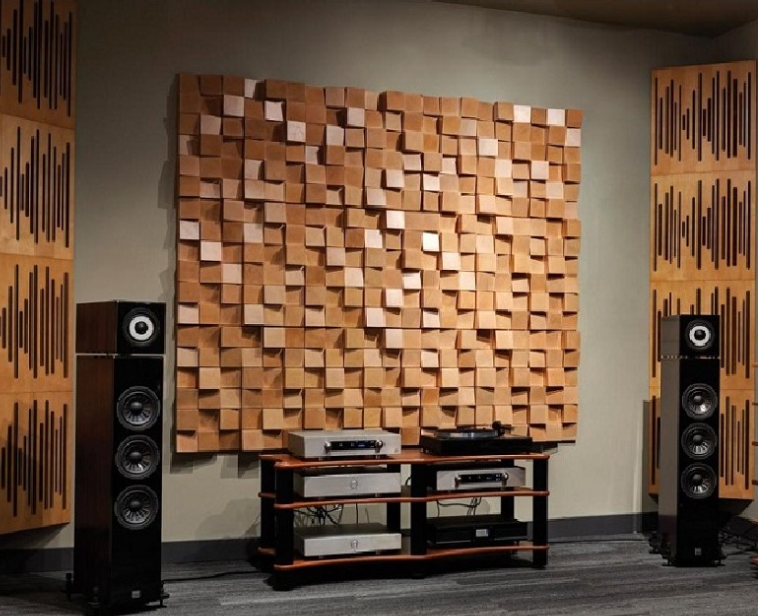
Acoustic treatment is essential for creating environments with optimal sound quality, impacting various settings from recording studios to public spaces. It involves the strategic use of materials like sound-absorbing panels and diffusers to manage a room’s acoustic properties, effectively reducing unwanted reflections, echoes, and background noise.
Key Benefits of Acoustic Treatment:
- Enhanced Sound Quality: By minimizing echoes and reverberations, acoustic treatments improve clarity, making communication more effective and listening experiences more enjoyable.
- Improved Speech Intelligibility: In spaces like classrooms and conference rooms, reducing ambient noise through acoustic treatment ensures that speech is clearer and more comprehensible.
- Noise Disturbance Reduction: Acoustic treatments act as barriers to external noises, creating quieter and more peaceful indoor environments.
- Aesthetic Integration: Modern acoustic panels come in various designs and materials, allowing them to enhance a space’s visual appeal while improving its sound quality.
- Versatility Across Spaces: Acoustic treatments are adaptable to diverse environments, including offices, restaurants, performance halls, and educational institutions, tailoring sound management to specific needs.
Implementing Acoustic Treatment:
To effectively manage a room’s acoustics, consider incorporating the following elements:
Acoustic Panels
Acoustic panels are designed to absorb mid- and high-frequency sound waves, preventing excessive echoes and reverb. They are usually made of foam, fiberglass, or fabric-covered materials and are placed on walls and ceilings where sound reflections are strongest.
- Use Case: Ideal for recording studios, home theaters, offices, and large halls.
- Benefit: Reduces echo, improves speech clarity, and enhances overall audio accuracy.

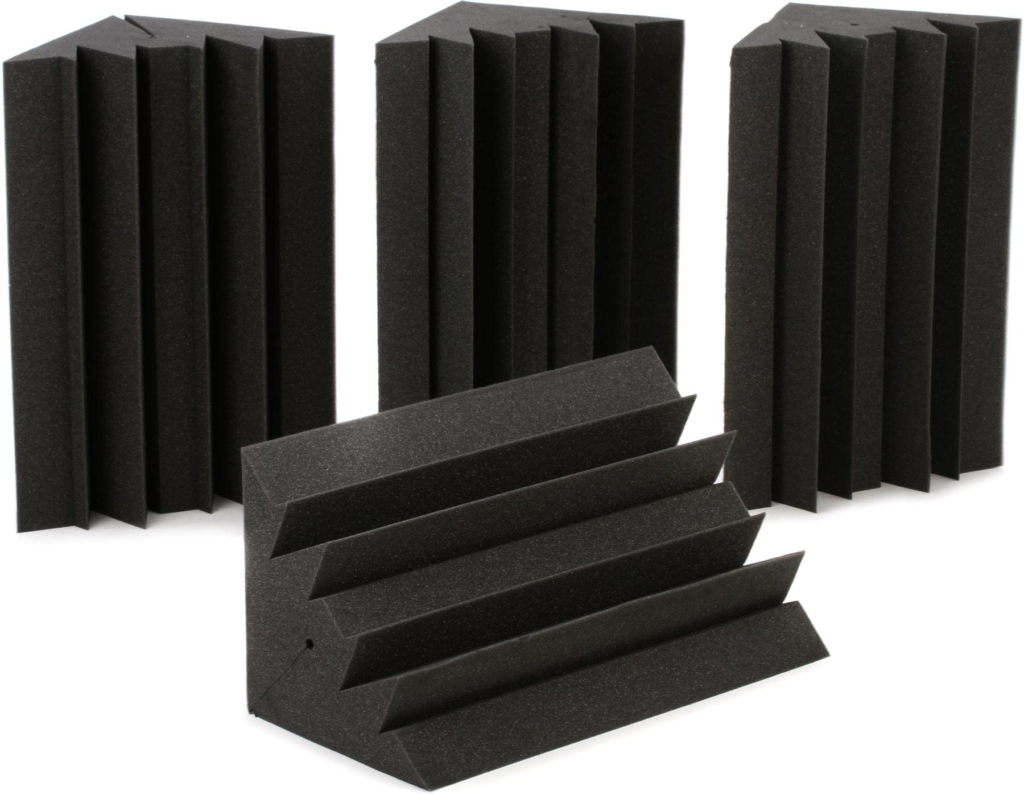
Bass Traps – Managing Low Frequencies
Bass traps are thick, high-density absorbers designed to reduce low-frequency buildup, which often causes a “boomy” or muddy sound. These are typically placed in corners where bass frequencies tend to accumulate.
- Use Case: Essential for music studios, mixing rooms, and home theaters.
- Benefit: Provides a tighter, more defined bass response, making mixes more accurate.
Diffusers – Spreading Sound
Evenly Unlike absorbers that reduce sound energy, diffusers scatter sound waves in different directions. This prevents harsh echoes while maintaining the room’s natural liveliness. Diffusers help create a balanced sound without making a space sound too “dead.”
- Use Case: Useful in concert halls, studios, and listening rooms to maintain a lively acoustic atmosphere.
- Benefit: Enhances clarity while preserving a sense of openness in the sound.

Carpets & Curtains – Affordable Sound Absorption
Soft materials like thick carpets, rugs, and heavy curtains can absorb sound and reduce reflections, especially in untreated rooms. While they don’t replace professional acoustic treatment, they can help improve sound quality in a basic setup.
- Use Case: Suitable for home studios, offices, and apartment spaces.
- Benefit: Provides cost-effective noise reduction and minimizes high-frequency reflections.
Final Thoughts
Whether you’re recording music, giving presentations, or simply improving the acoustics of a workspace, proper acoustic treatment makes a significant difference. It enhances audio clarity, ensures accurate sound reproduction, and provides a more comfortable auditory experience.
If you’re setting up a studio or upgrading your space, investing in acoustic treatment is one of the best ways to achieve professional sound quality.


