

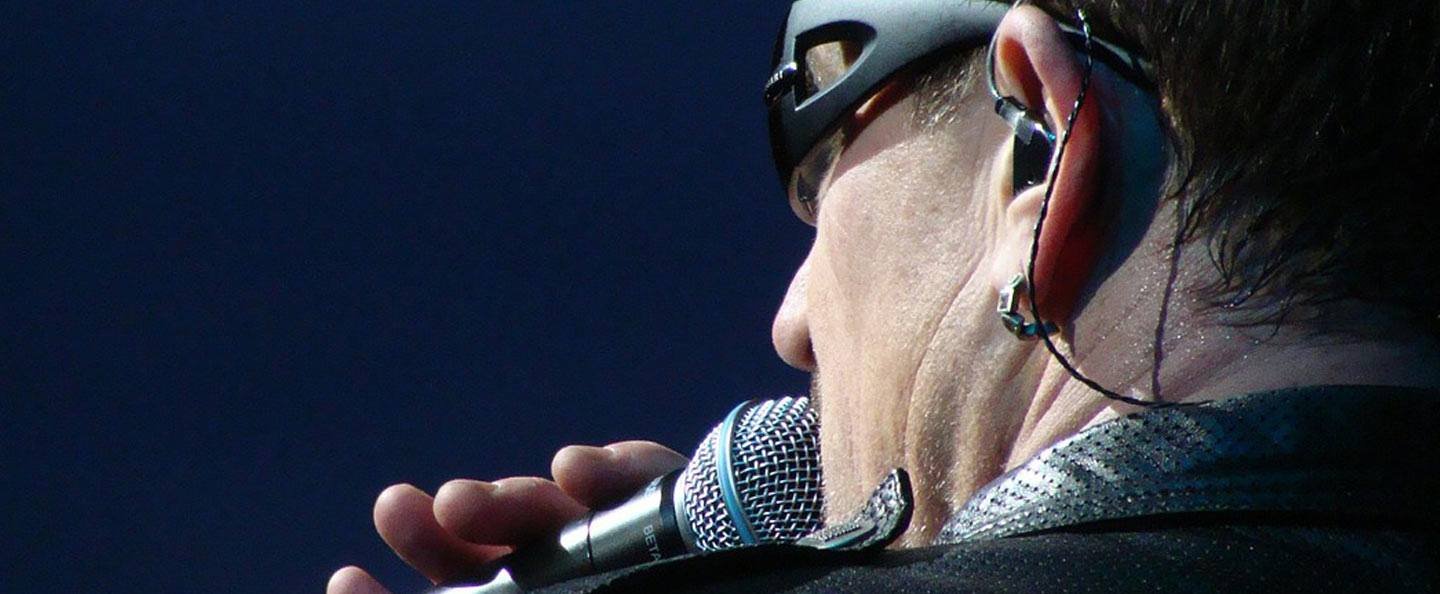
For musicians, vocalists, and performers, in-ear monitors (IEMs) are a game-changer when it comes to clarity, stage monitoring, and ear protection. Whether you’re performing in an intimate venue or a massive arena, the right IEMs can significantly enhance your stage experience. But with so many options available, how do you choose the right in-ear monitor for live performance? This guide will help you navigate key considerations and make the best decision.
Why Use In-Ear Monitors for Live Performance?
🔊 Better Sound Clarity – Get a clear and isolated mix without interference from external noise.
🎤 Personalized Monitoring – Customize your monitor mix to hear exactly what you need.
🛡️ Hearing Protection – Reduces stage volume, protecting your ears from excessive loudness.
🚶 Freedom of Movement – Move freely on stage without worrying about stage wedges or feedback issues.
Factors to Consider When Choosing In-Ear Monitors
1. Wired vs. Wireless IEMs
- Wired IEMs – Best for musicians who stay in one place, such as drummers or keyboard players. Offers low latency and a stable connection.
- Wireless IEMs – Ideal for vocalists and guitarists who need mobility. Requires a transmitter and receiver for a seamless connection.
2. Universal vs. Custom-Fit IEMs
- Universal-Fit IEMs – Pre-molded earpieces that fit most ears. More affordable and accessible.
- Custom-Fit IEMs – Made from ear impressions for a perfect, secure fit. Offers superior isolation and comfort but costs more.
3. Driver Configuration (Balanced Armature vs. Dynamic)
- Dynamic Drivers – Produce powerful bass and full-range sound. Ideal for bassists and drummers.
- Balanced Armature Drivers – Deliver detailed mids and highs, suitable for vocalists and guitarists.
- Hybrid Drivers – Combine both technologies for a balanced and rich sound experience.
4. Noise Isolation & Ambient Awareness
- High Isolation – Blocks external noise, perfect for loud stage environments.
- Ambient Features – Some IEMs allow you to mix in ambient sounds for better stage awareness.
5. Frequency Response & Sound Signature
- Flat Response – Ideal for accurate sound reproduction.
- Bass-Enhanced – Best for drummers and bass players.
- Vocal Clarity – Great for singers who need detailed midrange frequencies.
6. Budget Considerations
- Entry-Level ($100 – $300) – Basic universal IEMs for beginners.
- Mid-Range ($300 – $800) – Higher fidelity sound and better build quality.
- Professional ($800 – $2000+) – Custom-molded, multi-driver IEMs for professional artists.
Top In-Ear Monitors for Live Performance
1. Shure SE215 (Best Budget Option)
- Type: Universal, Dynamic Driver
- Pros: ✅ Affordable and reliable
✅ Decent sound isolation
✅ Durable design - Cons: ❌ Lacks deep bass response
❌ Not ideal for pro-level mixing
2. Sennheiser IE 500 PRO (Best for Clear Vocals)
- Type: Universal, Dynamic Driver
- Pros: ✅ Excellent clarity and detail
✅ Wide frequency response
✅ Secure and comfortable fit - Cons: ❌ Pricier than entry-level options
3. 64 Audio A12t (Best Custom IEMs for Professionals)
- Type: Custom, 12 Balanced Armature Drivers
- Pros: ✅ Studio-quality sound
✅ Custom-fit for ultimate comfort
✅ Excellent noise isolation - Cons: ❌ Expensive
❌ Requires ear molding process
4. Ultimate Ears UE 11 Pro (Best for Drummers & Bassists)
- Type: Custom, Hybrid Drivers
- Pros: ✅ Powerful bass response
✅ Great for high-energy performances
✅ Custom-molded for perfect fit - Cons: ❌ High price tag
Tips for Using In-Ear Monitors Effectively
✅ Get a Good Fit – If using universal IEMs, experiment with different ear tips for a secure seal.
✅ Balance Your Mix – Work with your sound engineer to create a personalized monitor mix.
✅ Keep Backup Cables & Ear Tips – Always carry extra accessories in case of emergencies.
✅ Practice Before Performance – Get used to the feel of IEMs during rehearsals.
✅ Use a Limiter – Protect your ears from sudden loud noises by using a volume limiter.
Final Thoughts: Which IEMs Are Best for You?
- For beginners & budget users → Shure SE215 or Sennheiser IE 500 PRO
- For professional vocalists → 64 Audio A12t
- For drummers & bassists → Ultimate Ears UE 11 Pro
Choosing the right in-ear monitors depends on your instrument, budget, and performance needs. Investing in quality IEMs will enhance your live performance experience and protect your hearing in the long run.
🎶 Have a favorite IEM? Let us know in the comments! 🎤


